Philosophy & Policy
Recognizing that business enterprises are economic organs of society and draw on societal resources, it is ITC's belief that a company's performance must be measured by its Triple Bottom Line contribution to building economic, social and environmental capital towards enhancing societal sustainability.
ITC's Corporate Social Responsibility - Generating livelihoods & environmental capital
ITC's CSR engagement is focused on two of its key stakeholder groups
Both groups face multiple challenges which make it virtually impossible for many to step out of the poverty trap. ITC's initiatives target the most marginalised in the community, working towards building grassroots capacity, equipping them with knowledge and empowering them with choice so that they can take actions to gain economically, environmentally and socially.
Strategy
This has led to the development of a 2-horizon strategy
The core objective of ITC's CSR initiatives is to secure the livelihoods of these marginalised communities not just for today but also for the future.

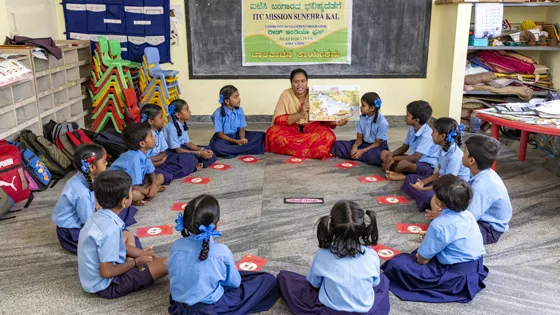
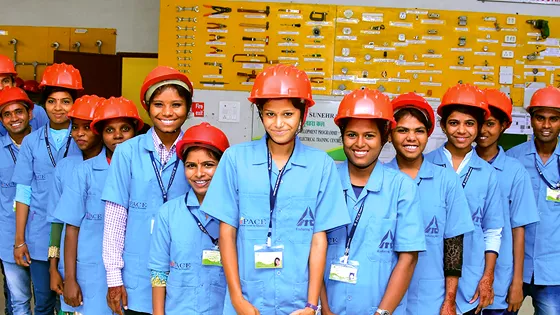
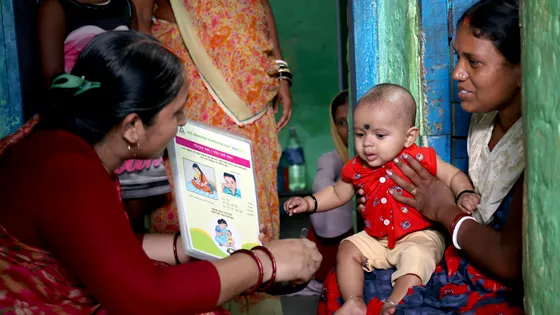
Interventions aimed at creating capabilities for tomorrow by assisting communities to put in place vital socio-economic infrastructure and equipping them to take advantage of emerging economic opportunities, i.e. ITC's programmes for supporting Primary Education, Skilling & Vocational Training, Health & Sanitation and Solid Waste Management.
Creating Highly Collaborative Multi-stakeholder Partnerships is a key element in ITC's model. In most initiatives, ITC works in close collaboration with NGOs and target communities. NGO's are Project Implementation Agencies, interacting directly and extensively with target communities who have the final say in major decisions - ensuring that the interventions are suited to their needs and thus have the best chance of sustained success in the long run.
Other organisations - academic/technical service providers/financial institutions, etc, from both the public and private sectors - are brought in as required so that the best appropriate expertise is made available.
ITC also considers state and central governments to be important stakeholders, especially vital in amplifying the scale of its CSR programmes through public-private partnerships.
ITC invests in people and practices that are good for the planet.